Home / Articles
Clippy-C Braces: Ideal Option for Your Teen’s Orthodontic Needs
Home / Articles
Clippy-C Braces: Ideal Option for Your Teen’s Orthodontic Needs
Here’s a detailed overview of Clippy-C Braces and why they may be an ideal orthodontic option for your teen — drawing from clinical experience, real-world patient concerns, and how they compare to alternatives.
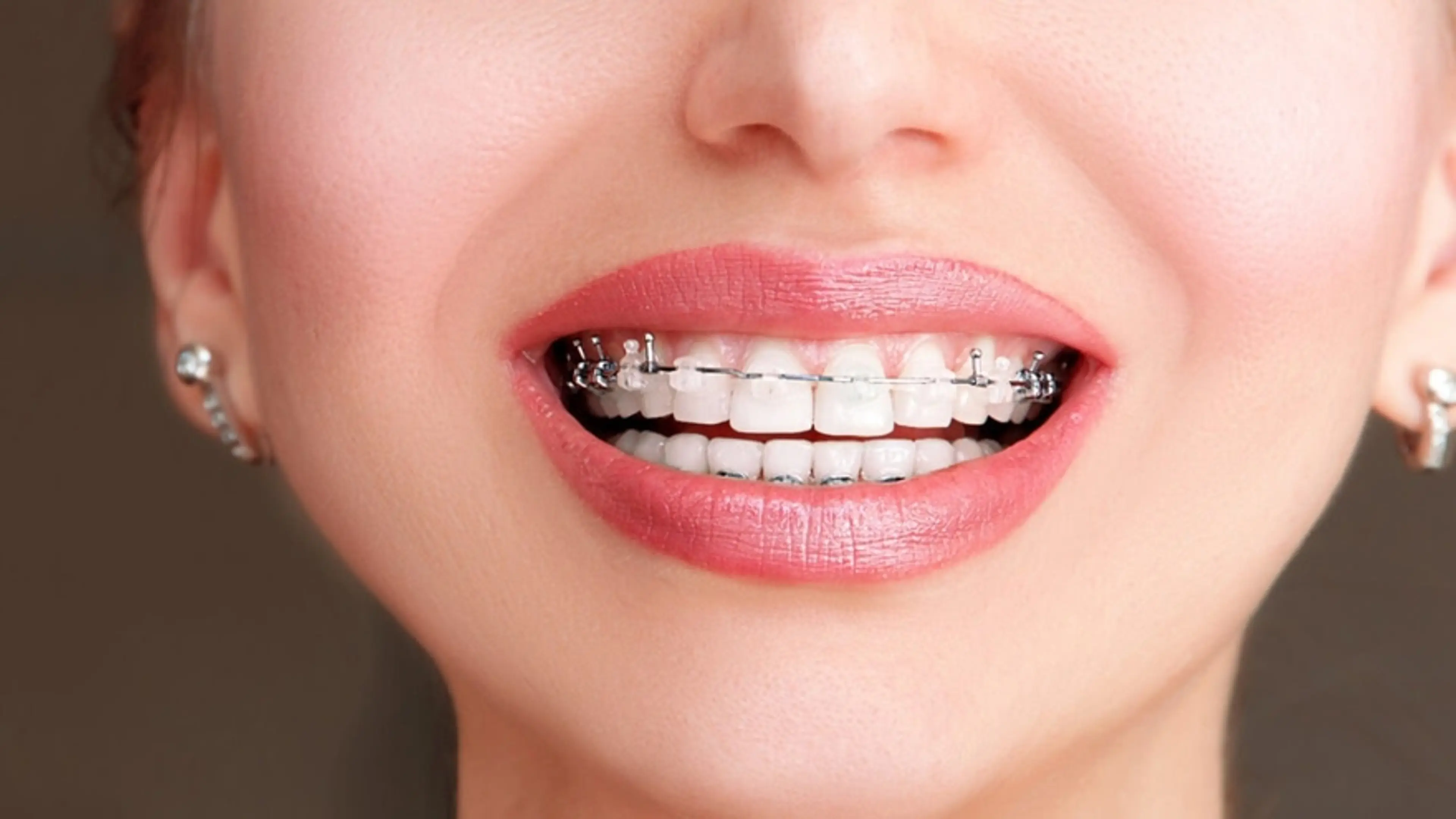
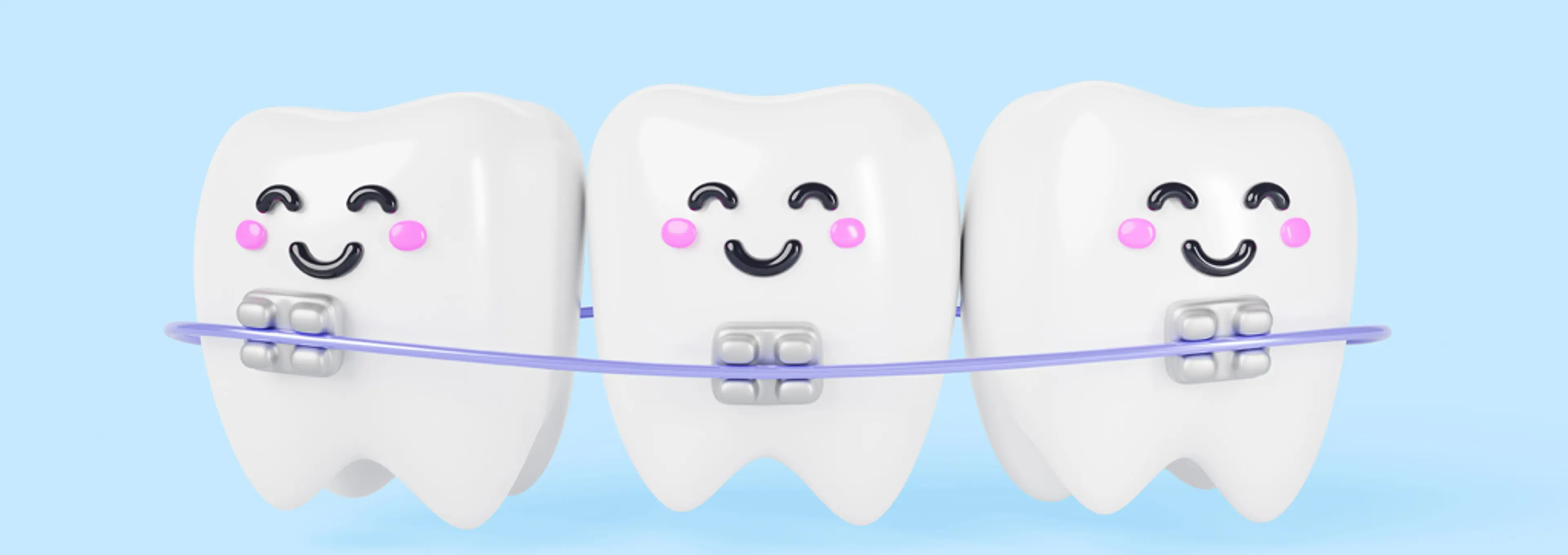
Clippy-C Brackets are a type of self-ligating ceramic bracket system. Rather than using elastic bands or metal ties to hold the wire (archwire) in place, they use a built-in clip mechanism, sometimes referred to as a "sliding door" or "Clippy." This design allows for a more streamlined and efficient tooth movement process.
These brackets are made from ceramic materials that are either clear or tooth-colored, making them much less visible than traditional metal braces. The Clippy-C system also features a rhodium-coated clip that resists discoloration and maintains both the function and appearance of the bracket throughout treatment.
Unlike traditional braces that require elastic ties, the self-ligating system allows the wire to move more freely within the bracket, reducing friction and improving the efficiency of tooth movement. This can result in a smoother experience for patients, with shorter adjustment appointments and potentially faster overall treatment times.
Let’s be honest — teens care about how they look. Traditional metal braces can cause self-consciousness, especially in social situations or during school events. Clippy-C braces, being ceramic and less noticeable, offer a more discreet alternative. This gives teens the confidence to smile without feeling the spotlight is on their orthodontic treatment.
One of the lesser-known advantages of Clippy-C braces is their comfort level. The absence of elastic ligatures means there is less pressure and fewer tight spots, especially during wire changes. Many teens report a noticeable difference in comfort compared to conventional metal braces. The rounded edges and low profile of the ceramic brackets further reduce irritation to the inside of the lips and cheeks.
Since the Clippy-C system uses self-ligating brackets, they often require fewer adjustments over time. This is because the clip mechanism allows teeth to move more efficiently and requires fewer manual interventions. For teens with busy school schedules, extracurricular activities, and exams, this can be a significant benefit.
Every orthodontic case is different, but in many instances, the efficient tooth movement associated with self-ligating brackets can result in a shorter overall treatment time. This can mean less time wearing braces, which is always a plus for teens.
Traditional elastic ligatures can attract plaque and food particles, making oral hygiene more challenging. With Clippy-C braces, the absence of these bands means fewer areas where food can get trapped. The brackets are also easier to clean around, helping to maintain better oral health during treatment — an especially important factor for teens still mastering consistent brushing and flossing habits.
It’s true that Clippy-C braces tend to be more expensive than traditional metal braces. The combination of ceramic material and advanced clip mechanism adds to the overall cost. However, the benefits they offer — from aesthetics to comfort to fewer visits — often justify the investment for many families.
Ceramic brackets are generally more fragile than metal ones. While Clippy-C braces are designed with enhanced materials to reduce breakage, parents should be aware that they still require careful handling. Avoiding hard or sticky foods becomes even more important to prevent bracket damage.
Although the rhodium-coated clip resists discoloration, the ceramic parts of the bracket and bonding adhesive can still stain if not cared for properly. Teens should be advised to avoid heavily pigmented foods and drinks like coffee, tea, curry, or soda, and maintain excellent oral hygiene.
Clippy-C braces work well for most mild to moderate orthodontic cases. However, for complex issues involving significant bite correction, jaw misalignment, or severe crowding, your orthodontist may recommend supplemental appliances or techniques to ensure optimal results.
Here’s a look at how Clippy-C compares to some of the more common orthodontic treatments available:
When you compare these systems side by side, Clippy-C braces often strike a strong balance between effectiveness, aesthetics, and convenience, especially for teens who need a reliable, less visible solution.
In many cases, especially where teens have mild crowding, spacing, or aesthetic concerns, Clippy-C provides excellent results with minimal interference in daily life. The reduced need for frequent appointments is also appreciated by parents managing multiple children’s schedules.
Choosing the right orthodontic system is only the first step. Helping your teen succeed during treatment means creating an environment of support and structure. Here are a few tips:
Set up a hygiene routine: Brushing after every meal and using orthodontic flossers or water flossers can help avoid staining and decay. Consider fluoride rinses as an extra layer of protection.
Stick to soft foods: Especially after adjustments, your teen may appreciate softer foods like soups, noodles, or smoothies. This also helps protect the brackets from breaking.
Avoid staining foods: Educate your teen on what to avoid — things like soy sauce, curry, and colored sports drinks can all leave lasting stains on ceramic brackets and adhesives.
Attend all follow-up visits: Even though Clippy-C requires fewer adjustments, each scheduled visit is important for tracking progress and making any necessary wire changes.
Keep open communication: If your teen is experiencing discomfort or noticing something unusual, encourage them to let you and the clinic know. Timely attention prevents small issues from becoming larger problems.
If you’re weighing the pros and cons of different orthodontic systems, here’s a quick recap to help guide your decision:
Is concerned about appearance and wants a less noticeable option
Has a mild to moderate orthodontic case
Is likely to benefit from fewer appointments and simpler hygiene
Is responsible enough to care for ceramic brackets
Budget is a significant limiting factor
The orthodontic case is extremely complex
Your teen prefers a removable system and can comply with wearing clear aligners consistently
We believe that the key to successful orthodontic treatment isn't just about moving teeth — it's about creating a confident, healthy smile your teen can feel proud of.