Home / Articles
Comparing Dental Braces Costs: Why Korea is 30% Cheaper Than Russia
Home / Articles
Comparing Dental Braces Costs: Why Korea is 30% Cheaper Than Russia
Russia relies heavily on imported orthodontic supplies from the US and Germany. This involves high import taxes, shipping fees, and middleman markups. In contrast, South Korea is a global hub for dental manufacturing. Many of the brackets, wires, and clear aligner systems used worldwide are designed and produced right in Korea. By removing the "import" factor, Korean clinics can offer the same—or better—materials for much less.
Seoul has one of the highest densities of dental clinics per square kilometer. This competition forces clinics to keep their prices fair while constantly upgrading their technology to attract patients. This environment ensures that South Korea remains the cheapest and best choice for patients seeking value.
Type of Braces | Russia (Private Clinic) | South Korea (Top-Tier) | Estimated Savings |
|---|---|---|---|
Traditional Metal Braces | $3,500 – $4,500 | $2,200 – $3,000 | ~35% |
Ceramic (Aesthetic) Braces | $4,500 – $6,000 | $3,200 – $4,000 | ~30% |
Self-Ligating (Damon/Clippy-C) | $5,000 – $7,000 | $3,500 – $4,800 | ~32% |
Clear Aligners (Invisalign) | $6,000 – $8,500 | $4,000 – $6,000 | 30% - 40% |
Lingual Braces (Behind Teeth) | $9,000 – $13,000 | $6,500 – $9,000 | ~30% |
In Korea, orthodontists focus on "Fast Orthodontics." They use specific systems designed to move teeth efficiently, often reducing the total treatment time by several months.
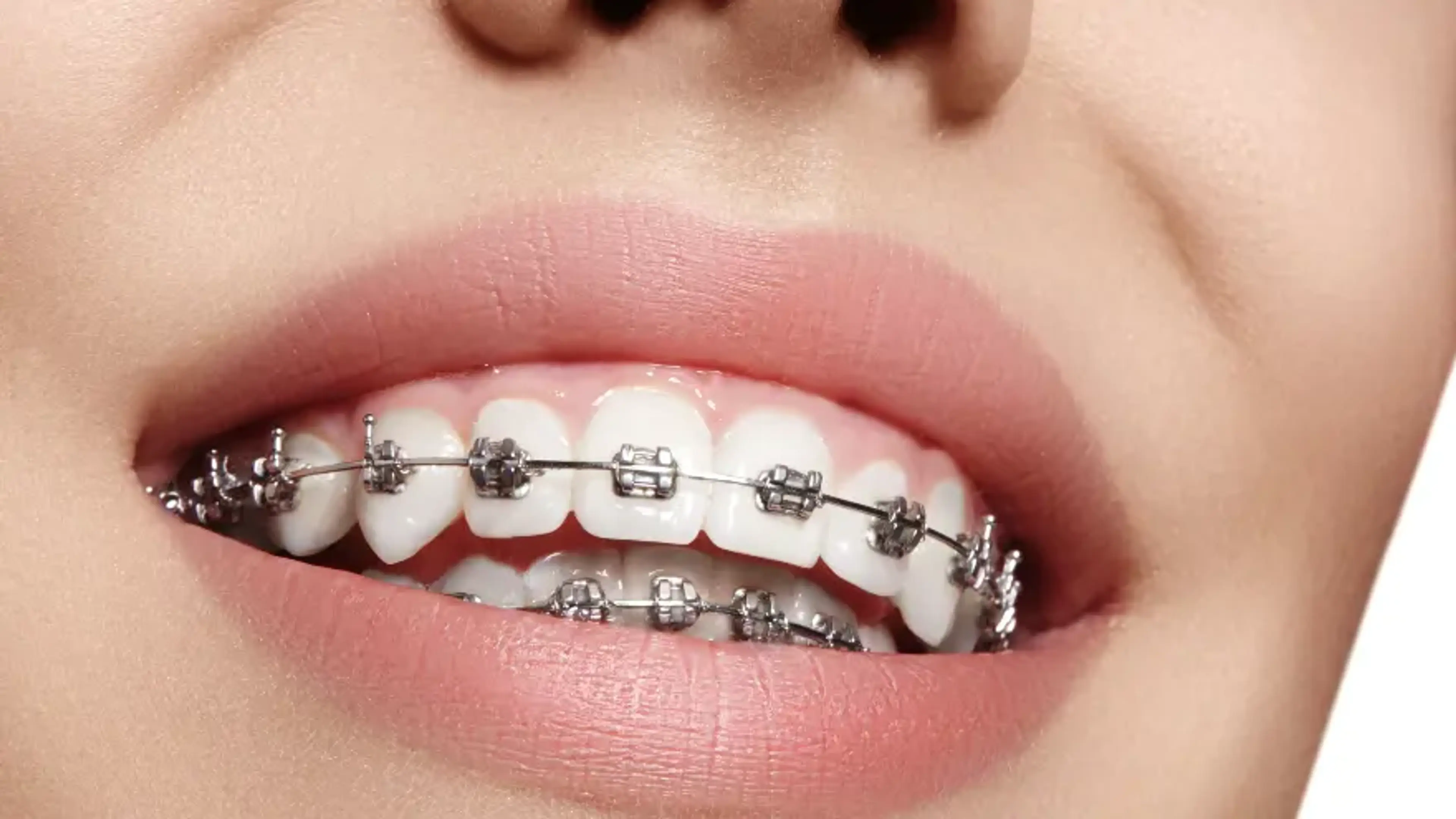
These are the most common and durable type. Modern versions used in Korea are much smaller and more comfortable than the bulky "train tracks" of the past. They are excellent for correcting complex bite issues.
If you want something less noticeable, ceramic braces use tooth-colored brackets. They blend in with your natural teeth, making them a popular choice for working professionals who want a discreet look without the higher cost of hidden braces.
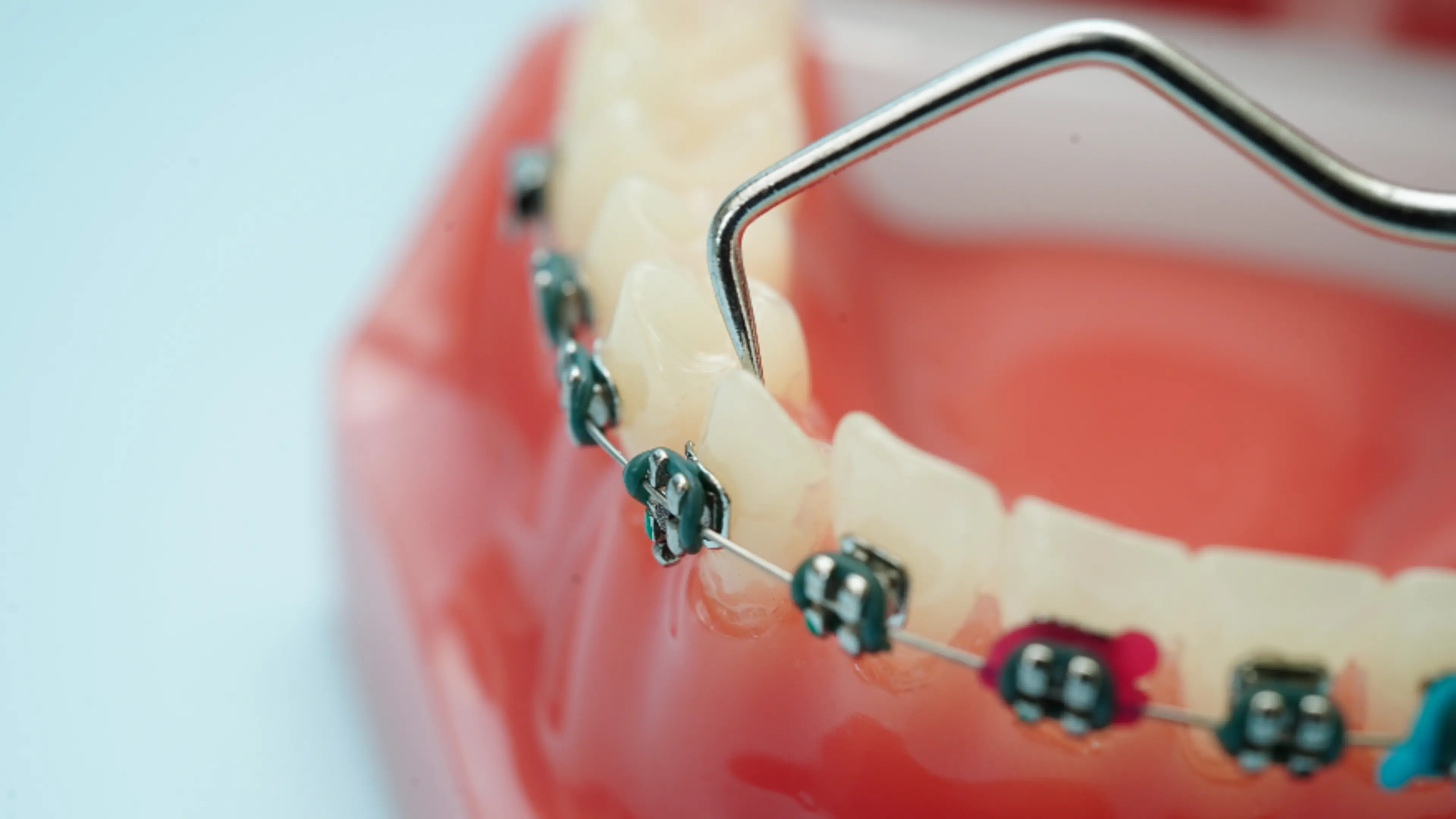
This is a "Korean specialty." Unlike traditional braces that use elastics to hold the wire, these use a specialized "clip" system. This reduces friction, which means less pain for the patient and faster tooth movement.
Yes, provided you choose a board-certified orthodontist. South Korea has some of the world's strictest medical licensing requirements. The quality of materials used in Seoul is often higher than those used in standard private clinics in Russia.
This is a common concern. Most Korean clinics use high-strength bonding agents. However, if a bracket does loosen, any local dentist in Russia can re-attach it for a very small fee, or your Korean doctor can provide you with dental wax to manage it until your next visit.
South Korea is the cheapest and best because it is a global manufacturing center for dental tech. By cutting out the middleman and import taxes that Russian clinics must pay, Korean clinics can offer lower prices for superior technology.
Depending on the complexity, most treatments last between 12 and 24 months. However, Korea’s use of self-ligating brackets often shortens this duration compared to traditional methods.
No. Top dental clinics in Seoul have dedicated Russian-speaking coordinators who accompany you from the moment you walk in until you finish your treatment.
By choosing to travel for your care, you aren't just saving money—you are gaining access to the most advanced dental systems available today. Because South Korea is the cheapest and best for treatment, you can finally achieve the perfect smile you've always wanted without the financial burden of local private clinics.