Home / Articles
Implant Dentures vs. Traditional: Benefits & Cost Explained
Home / Articles
Implant Dentures vs. Traditional: Benefits & Cost Explained
Traditional dentures are removable devices used to replace missing teeth. Typically made from acrylic or porcelain, they rest directly on the gums and rely on suction or adhesives for stability. While they can restore basic oral function and appearance, many patients find traditional dentures uncomfortable over time.
Common issues include slippage while eating or speaking, irritation from friction on the gums, and difficulty with harder or stickier foods. As the jawbone naturally shrinks without the stimulation of tooth roots, traditional dentures often become loose, requiring frequent adjustments or replacement. This bone loss can also affect facial appearance, causing a sunken or aged look.
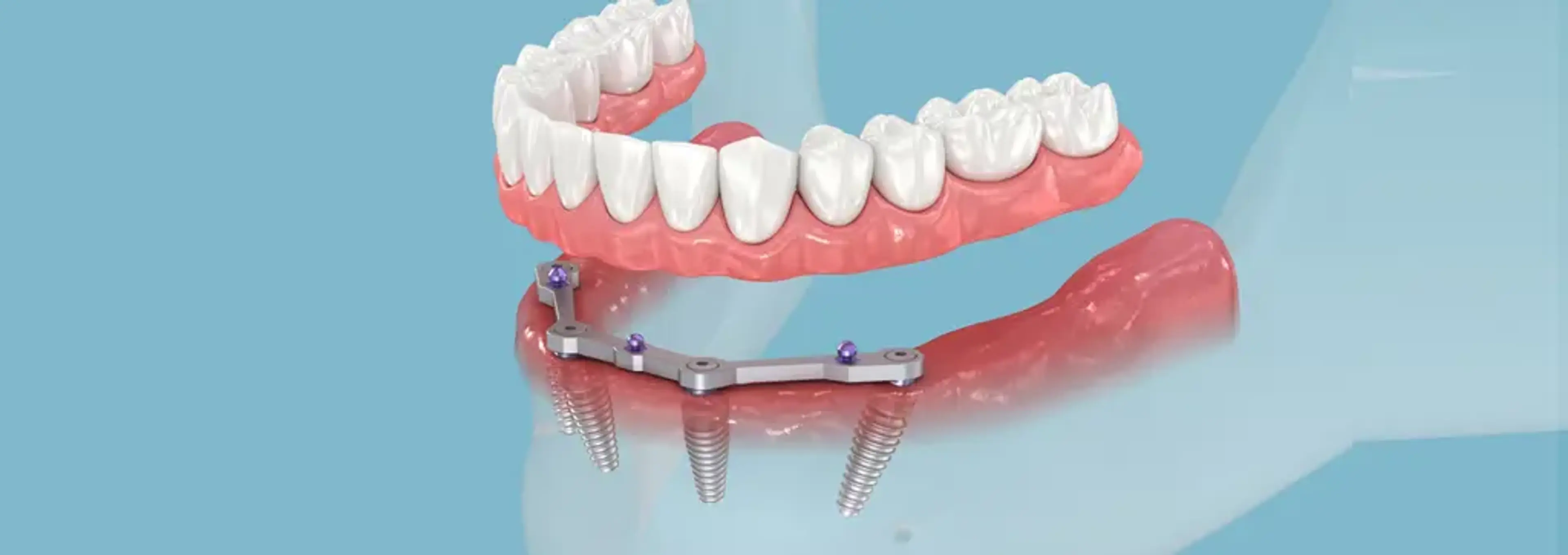
This approach mimics natural teeth more closely than traditional options. Patients can choose between fixed full-arch dentures or overdentures that snap onto implants, depending on their oral health and preferences.
Dental implants anchor dentures firmly in place, eliminating the slipping and shifting associated with traditional dentures. This stability allows patients to eat a wider range of foods and speak with confidence.
Unlike traditional dentures that press against the gums, implant-supported dentures transfer biting pressure to the jawbone—much like natural teeth. This minimizes irritation and discomfort, enhancing overall oral health and comfort.
Implants stimulate the jawbone, preventing the bone deterioration that typically follows tooth loss. This not only preserves the strength of the bone but also maintains facial structure, avoiding the sunken appearance common in long-term denture users.
Custom-crafted to match your natural teeth in shape and color, implant-supported dentures provide a seamless, lifelike appearance. Because they are anchored securely, they also allow for more expressive facial movements without fear of slipping.
Titanium dental implants are built to last. With good oral hygiene and routine dental visits, implant-supported dentures can function reliably for 20 years or more. Studies show a success rate of up to 98% for dental implants, underscoring their longevity and effectiveness.
Traditional dentures often require relining or replacement due to jawbone changes. Implant-supported dentures, on the other hand, maintain their fit and function with less maintenance. Routine care—brushing, flossing, and dental checkups—is generally sufficient.
The process typically involves:
While the total timeline can span 6–9 months, many patients report minimal discomfort after surgery and a dramatic improvement in quality of life once treatment is complete.
"Every patient's oral structure and lifestyle is unique. We design implant solutions that truly fit their needs—not just medically, but personally," says Dr. Son.
While traditional dentures can be a starting point for restoring your smile, implant-supported dentures offer unmatched advantages in comfort, function, and longevity. The initial investment pays off through improved quality of life and reduced need for future dental work.