Home / Articles
Lingual Braces: Discreet, Effective Orthodontic Treatment
Home / Articles
Lingual Braces: Discreet, Effective Orthodontic Treatment
When most people imagine dental braces, they picture visible metal brackets. However, lingual braces offer a modern and discreet solution for individuals seeking a flawless smile without the obvious hardware. Unlike traditional braces, lingual braces are placed behind your teeth, making them virtually invisible. This feature makes them an ideal option for individuals who want to straighten their teeth while maintaining their appearance.
The popularity of lingual braces is on the rise, particularly among adults, working professionals, and teenagers who value aesthetics. They provide the same orthodontic benefits as traditional braces but without compromising on appearance. With technological advancements in customized orthodontics, lingual braces have become more comfortable and effective than ever before.
From professional boardrooms to public events, people worldwide are opting for lingual braces to enhance their smile discreetly. This article will delve into the benefits, functionality, and patient experiences surrounding lingual braces, as well as explore why Ye-on Dental Clinic in Incheon, South Korea, stands out in providing exceptional results.
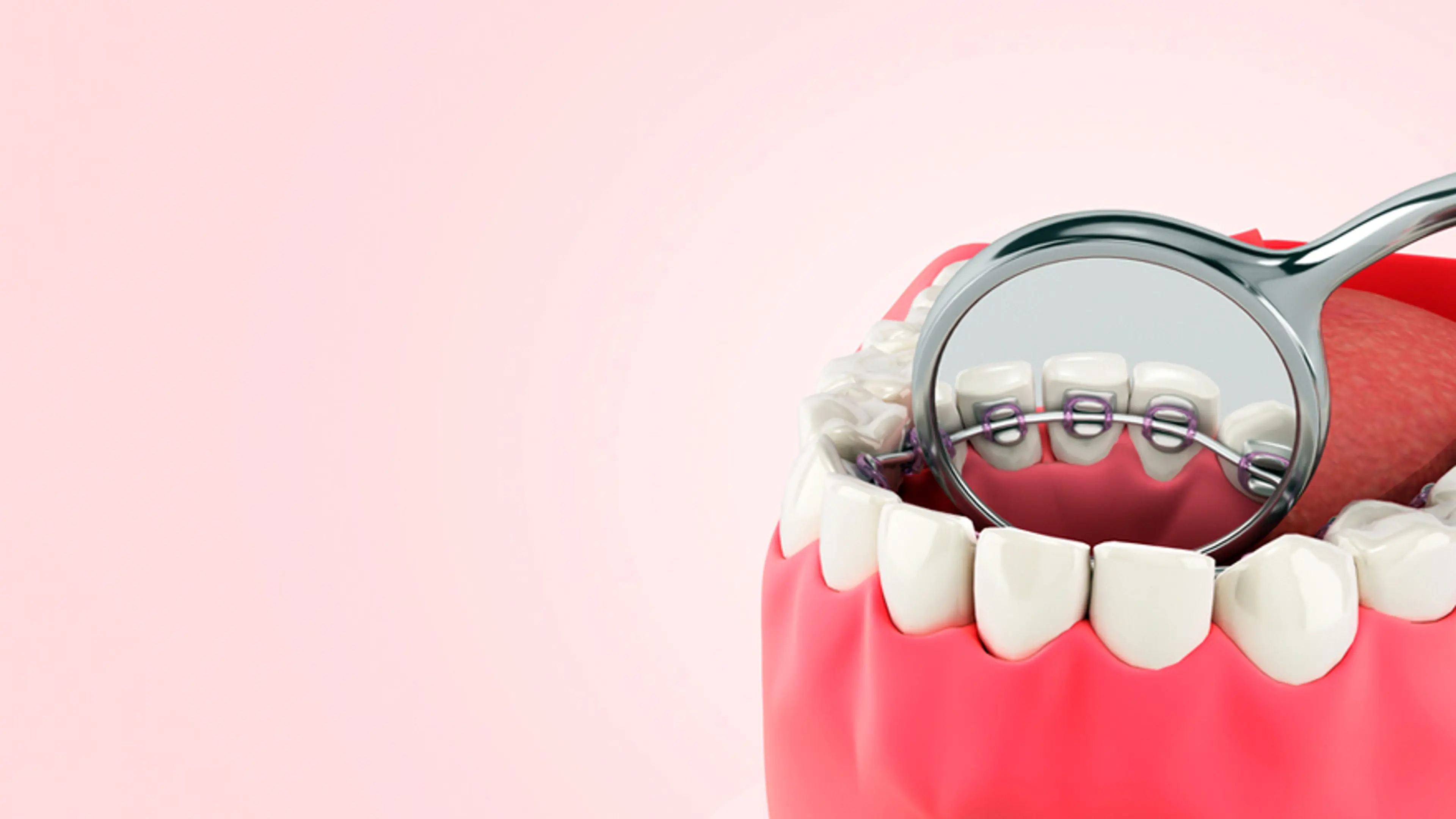
Lingual braces operate in the same way as traditional braces but with one key distinction: they are placed on the back surfaces of your teeth. This hidden placement allows for discreet treatment while effectively realigning your teeth.
At the beginning of treatment, orthodontists use digital 3D imaging to take precise impressions of your teeth. These impressions are then used to create custom brackets and wires that fit your unique dental structure. The brackets are securely bonded to the back of your teeth, and a special archwire is threaded through them to exert gentle pressure on your teeth.
At Ye-on Dental Clinic, state-of-the-art navigation-guided systems ensure the accurate placement of lingual braces, optimizing both comfort and treatment outcomes. This high-tech approach ensures better results and sets the clinic apart from others in delivering superior orthodontic care.
The primary appeal of lingual braces is their invisibility. Since they are attached to the back of your teeth, they remain completely hidden from view—making them ideal for those who prefer discretion, especially in professional or social settings.
Additionally, lingual braces eliminate the risk of visible white spots or discoloration on the front teeth, a common issue with traditional braces. They preserve the natural appearance of your teeth while delivering the same orthodontic results.
Another significant advantage of lingual braces is their customized design. The brackets are crafted to fit the unique contour of each individual tooth, ensuring both comfort and optimal performance. These custom-made braces also improve efficiency in tooth movement, providing better results with less discomfort.
Lingual braces are also a great option for individuals with metal allergies. They can be made from hypoallergenic materials, providing a safe and comfortable treatment option for patients who may have sensitivities to certain metals.
When choosing an orthodontic treatment, it’s important to understand how lingual braces compare to other options, such as metal braces, ceramic braces, and clear aligners like Invisalign.
At Ye-on Dental Clinic, a detailed consultation ensures you make an informed decision about which orthodontic solution is right for you, based on your individual needs and preferences.
While lingual braces offer numerous benefits, they also come with a few challenges. One common concern is their initial impact on speech. Since the braces are located near the tongue, some patients may experience a temporary lisp or difficulty pronouncing certain words. However, most patients adapt within a few weeks as they become accustomed to the braces.
Another challenge is tongue irritation, particularly during the first few weeks. The braces may rub against the tongue, causing soreness or small ulcers. Using orthodontic wax and following the orthodontist’s care instructions can help alleviate these issues.
Because lingual braces are placed behind the teeth, maintaining good oral hygiene can be more difficult than with traditional braces. Regular brushing, flossing, and using water flossers are essential to keeping your mouth healthy during treatment.
Ye-on Dental Clinic provides comprehensive patient education and follow-up care to address these concerns, ensuring a smooth and comfortable treatment experience. The clinic’s use of advanced imaging and customized brackets minimizes discomfort and enhances patient satisfaction.
Lingual braces are a great choice for both adults and teenagers who value discretion and aesthetics. They are especially ideal for professionals such as teachers, performers, salespeople, and public speakers—individuals for whom appearance and voice are critical.
Lingual braces can treat a variety of orthodontic issues, including minor misalignments, crowding, overbites, and spacing problems. Due to their custom fit and precise design, lingual braces are often more effective for complex cases than alternatives like aligners.
However, they may not be suitable for patients with very small teeth or those with significant bite issues, unless treated by a specialist. A thorough pre-treatment assessment is essential to determine candidacy.
The journey to a perfect, discreet smile begins with a comprehensive consultation at Ye-on Dental Clinic. Your first visit includes digital scanning and a detailed discussion of your goals and concerns. Dr. Son then creates a personalized treatment plan using the latest navigation-guided technology.
Once your custom lingual braces are fabricated, they are carefully bonded to the backs of your teeth. The process takes longer than traditional braces due to the precision required, but it ensures optimal results.
Patients typically visit every 6–8 weeks for adjustment appointments. During these visits, the orthodontist may adjust the archwires or replace brackets as needed to continue progressing toward the final alignment.
Like any orthodontic treatment, lingual braces come with some risks and potential side effects, though most are temporary. The most common issue is tongue discomfort, which typically resolves within a few weeks. Some patients also experience mild speech difficulties early in treatment.
Maintaining oral hygiene can also be more challenging with lingual braces, and improper cleaning can lead to plaque buildup, bad breath, or tooth decay. However, with regular care and the use of specialized tools like interdental brushes and water flossers, oral health can be maintained.
Ye-on Dental Clinic ensures that all patients receive proper guidance to minimize risks, ensuring a comfortable and effective treatment process.
Lingual braces provide a dramatic improvement in both the appearance and functionality of your smile. Most patients begin to see changes within a few months, with full results typically visible after 12 to 24 months, depending on the complexity of the case.
Patients consistently report high satisfaction, especially due to the discreet nature of the braces. Whether preparing for a special occasion, enhancing their professional appearance, or simply boosting their confidence, the long-term benefits of lingual braces make the investment worthwhile.