Home / Articles
Lingual Braces for Athlete Safety and Confidence
Home / Articles
Lingual Braces for Athlete Safety and Confidence
Imagine you’re preparing for the most important season of your athletic career. Practices are intense. Every sprint, pivot, and collision matters. But beyond strength and strategy, there’s something else tugging at your confidence—your smile.
For many athletes, traditional braces pose a unique challenge. The wires, brackets, and metal edges become more than just orthodontic hardware—they become liabilities. A stray elbow in basketball, a head check in hockey, a collision in rugby: these movements, which are part of the game, can suddenly hurt—not just your body but your mouth.
This is where lingual braces come in. They blend high-performance orthodontics with athlete-friendly design, offering a path to both oral safety and unshakable confidence.
In this article, written from a clinician’s perspective rooted in patient care and real-world athletic concerns, we’ll explore:
To understand lingual braces, picture this:
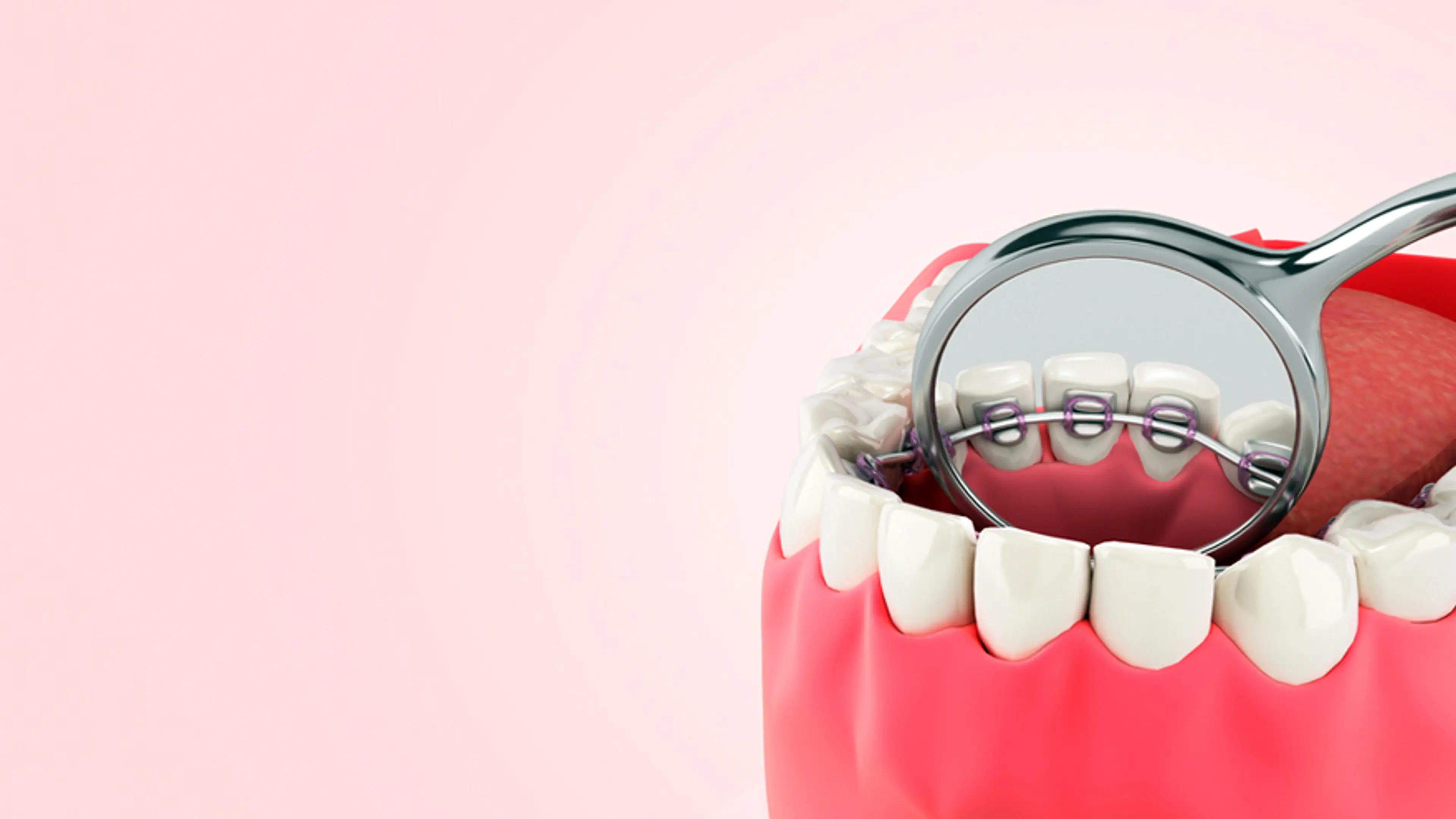
Instead of brackets on the front of the teeth (where everyone can see them), the hardware is bonded to the back (the tongue side). The wires run along the inner surfaces, hidden from view.
This design isn’t just cosmetic—it fundamentally shifts how braces interact with the mouth:
Out of sight = out of harm’s way: The brackets and wires are tucked behind the teeth, reducing the risk of injury during contact sports.
Subtlety and confidence: You can smile freely without worrying about a metal smile distraction, selfie-ready from every angle.
Customized to your bite: Advanced lingual systems today use digital scans and 3D planning so that each bracket and wire is personalized to your anatomy.
Lingual braces aren’t a one-size-fits-all appliance; they work through controlled, gentle forces applied to the teeth to achieve planned movement over time, similar in principle to traditional braces but engineered from the inside out.
Traditional braces can be unforgiving in collisions:
This is not a hypothetical concern. In contact sports like football, hockey, or martial arts disciplines, the interior of the mouth can take forceful hits that translate into painful bracket-to-soft-tissue interactions. For high-velocity impacts, even a lip guard might not fully cushion the exposed braces on the front of teeth.
With lingual braces, the profile against the cheeks and lips is dramatically reduced. There are no protruding elements on the visible dental surfaces that a mouthguard must accommodate. This lowers the risk of:
Athletes often tell us, “I don’t want dental treatment to limit how I play.” With lingual braces, safety becomes part of your performance gear.
Athletes thrive on confidence. It’s psychological armor — something you carry into competition just as much as your physical training.
Traditional braces can make some players self-conscious, especially during public appearances, interviews, or team photos. Lingual braces eliminate this worry. You can smile, speak, and interact—on the bench or in the locker room—without feeling like your smile is on display.
This isn’t vanity. Confidence influences performance. When you’re comfortable with how you look and feel, you’re less distracted, more assertive, and more present in competition.
For student-athletes or professionals preparing for media engagements or recruitment showcases, the value of a discreet orthodontic solution is real. It’s about showing up as your best self—mentally and physically.
There’s a lingering myth that lingual braces are somehow “less effective.” That’s not true.
Modern lingual systems are capable of treating:
With digital planning and precise bracket placement, results can be just as excellent as with traditional braces—just from the other side of the tooth.
The biomechanics behind tooth movement are the same, whether force is applied from the front or back. What changes is how these forces are directed and how the system adapts to the three-dimensional structure of your bite. That’s why experienced clinicians are essential: they interpret digital planning and apply it with skillful execution.
Clear aligners (like Invisalign) are popular. They’re removable, transparent, and generally comfortable. But when it comes to athletes, the picture gets more complex.
Aligners: Since they’re removable, you can take them out during games. But that introduces risk: lost trays, inconsistent wear, and the possibility of disrupting your orthodontic timeline.
Lingual Braces: Always in place and always working. No trays to misplace, no schedule to juggle around training.
Athletes live by routines—practice, strength training, nutrition, and recovery. Oral care routines should fit into that life, not disrupt it. With clear aligners, missing wear time during the busiest weeks can extend your overall treatment time, leaving you in a state of “in-progress” longer than you anticipated.
Lingual braces work continuously, offering a set-and-forget aspect that aligns better with a disciplined athlete’s schedule.
Aligners require strict adherence: usually around 20–22 hours per day. For student athletes, travel, team dinners, and inconsistent routines can make this challenging.
Lingual braces eliminate compliance worry. They work whether you’re sleeping, training, or competing—you don’t have to think about them.
Both options allow mouthguards, but:
A well-fitted mouthguard should form a protective barrier without shifting or impinging on appliances. Lingual braces make this fit easier, more consistent, and more comfortable.
Yes, lingual braces sit where your tongue lives. That means:
This adaptation period is real, but it’s also temporary. Most athletes adapt quickly—especially those used to mouthguards, tape, and verbal communication under pressure. Simple exercises, like reading aloud or practicing key phrases before a game, can speed up this transition.
Initially, soft foods help (much like with traditional braces). But because the brackets are inside, chewing mechanics change differently. For athletes, maintaining nutrition is vital:
Sports nutrition and oral health are linked. A balanced diet supports faster recovery, better immunity, and even healthier gums — especially important when orthodontic forces are actively remodeling bone and periodontal structures.
Custom mouthguards are still essential. In fact, for lingual braces, a well-fitted guard does more than protect enamel:
Athletes aren’t desk workers. Training days are long. Between practices, travel, and treatment adjustments, oral care can slip.
With lingual braces, it’s even more crucial to:
If you’re grabbing a smoothie between training sessions, make a habit of carrying a travel hygiene kit: a soft-bristle brush, interdental picks, and fluoride rinse fit easily in a gym bag and make post-snack care practical.
Even with the safest braces, impacts still happen.
If you experience:
Reach out promptly. Lingual braces are less exposed, which often means issues are subtler and worth checking early. Quick responses can prevent minor irritations from becoming interruptions in your training cycle.
That speaks to psychological comfort as much as physical. When you’re not guarding your smile on the court, your focus stays where it matters—on the game.
Confidence compounded with functionality isn’t just a feel-good statement. It changes behaviors: open communication with coaches, less hesitation in close contact, and fewer self-conscious interruptions in social interactions.
At our clinic in Incheon, we begin with a detailed conversation:
From there, we create a customized plan:
We emphasize comfort, performance, and results — not just alignment.
For athletes especially, orthodontics is not just about aesthetics. It’s about functionality, confidence, and uninterrupted competition readiness.
Will they slow me down?
No. In fact, many athletes feel less encumbered than with traditional braces because there’s less concern about impact injuries.
Do they hurt more than regular braces?
Initial adjustments are different — not necessarily more painful. Discomfort is usually mild and temporary.
Can I still get hit and play hard?
Absolutely. They’re designed to be low-profile to reduce soft tissue irritation during impacts.
How long is treatment?
Similar to traditional braces — often between 12–24 months depending on complexity and compliance.
For athletes, confidence isn’t superficial. It’s a competitive edge.
When you smile freely, speak clearly, and feel good about how you present yourself, it reflects in your presence:
That’s worth as much as any physical training drill.
If you’re an athlete considering orthodontics, remember this:
Your oral appliance should support your performance, not hinder it. Safety and comfort are not afterthoughts — they’re integral to your training and confidence.
Lingual braces marry precision with discretion and protection — making them an excellent choice for contact and competitive athletes who want world-class results without compromising on comfort.
Your smile should be as confident as your game. Let’s make that happen.