Home / Articles
Root Canal vs. Extraction: Which Treatment is Best?
Home / Articles
Root Canal vs. Extraction: Which Treatment is Best?
When it comes to dental care, few decisions are as pivotal as choosing between a root canal and tooth extraction. Both treatments aim to resolve issues caused by damage or infection to your teeth, but the path you choose can impact your long-term oral health, comfort, and overall well-being. At Ye-on Dental Clinic, we understand that choosing between these two options can be daunting, which is why we're here to guide you through the key differences, benefits, and considerations to help you make an informed decision that’s best for your unique situation.
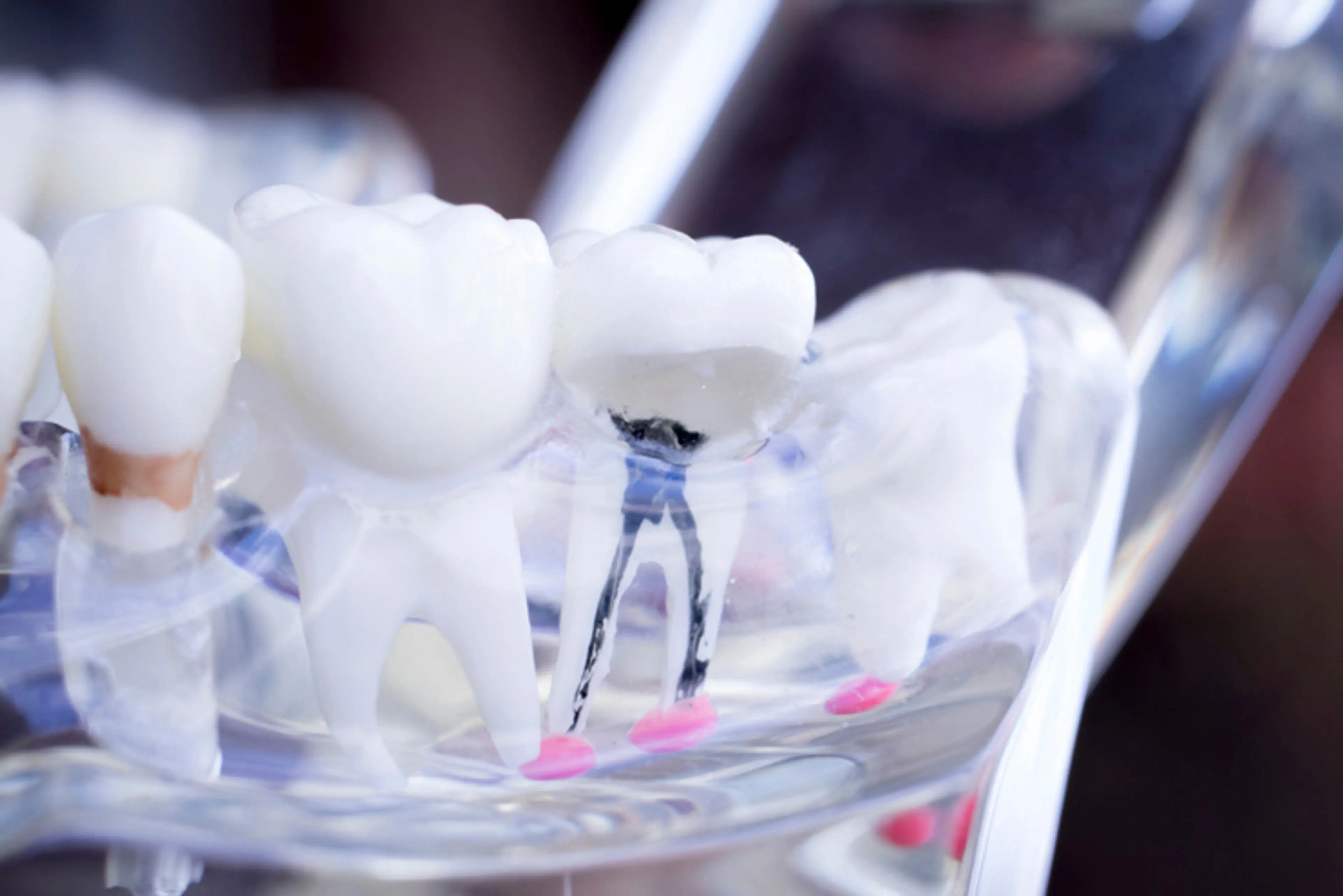
A root canal is a dental procedure designed to save a tooth that is severely damaged or infected. The procedure involves removing the infected pulp (the soft tissue inside the tooth that contains nerves and blood vessels), cleaning the inside of the tooth, and then sealing it to prevent further infection.
The pulp can become infected due to deep decay, repeated dental procedures on the same tooth, or injury to the tooth that causes cracks or chips. When this happens, bacteria can infiltrate the pulp, causing pain, swelling, and sometimes an abscess. A root canal aims to eliminate the infection while preserving the tooth structure.
The process involves several steps:
Root canals typically take one or two visits to complete, depending on the complexity of the case.
Tooth extraction is the process of removing a tooth from its socket in the bone. Extractions are often considered when a tooth is beyond repair due to severe decay, injury, or overcrowding. While many people associate tooth extractions with emergency situations or wisdom teeth removal, they can also be a necessary step for preventing further complications when other treatments are not viable.
The process typically includes:
Tooth extractions are usually completed in one visit, though the complexity of the extraction can influence the procedure duration.
While both root canals and tooth extractions can address serious dental problems, there are some significant differences between the two options. Here’s a breakdown of the major factors to consider:
One of the most important aspects of a root canal is its ability to preserve your natural tooth. Keeping your natural tooth has many benefits. Not only does it allow you to maintain the same appearance, but it also helps preserve the surrounding bone structure and function.
Extraction, on the other hand, means losing the tooth entirely. This can have long-term consequences, such as bone loss in the jaw, shifting of surrounding teeth, and changes in your bite. Replacing an extracted tooth often requires additional procedures like implants, bridges, or dentures, which come with extra costs and time commitments.
Root canal treatments tend to be less expensive than tooth extraction in the short term. However, once the tooth is extracted, the cost of replacing it with a dental implant or bridge can add up significantly. Implants, for instance, can cost more than a root canal and require additional procedures like bone grafting in some cases.
In the long run, opting for a root canal may save you money by preserving the tooth, eliminating the need for future replacements or complicated restorations.
While both treatments require anesthesia, the recovery times and post-procedure discomfort differ. After a root canal, many patients experience minimal discomfort, especially if the infection is successfully removed. The discomfort usually subsides within a few days, and the tooth should feel like normal once it is fully restored.
Tooth extractions, however, often come with a longer recovery period. The site where the tooth was removed can be sore for several days or even weeks, and there’s also a risk of complications like dry socket or infection. Furthermore, if the extraction site needs a replacement, you’ll need additional time for healing and restoration.
A root canal, when performed correctly and followed by appropriate restoration (such as a crown), can result in a tooth that lasts for many years. Many patients continue to have the treated tooth for life, provided they maintain good oral hygiene and visit their dentist regularly for check-ups.
Extraction, while sometimes necessary, can have long-term effects on your dental health. Losing a tooth can lead to the shifting of nearby teeth, bite problems, and even bone loss in the jaw. You may need a prosthetic device, such as a dental implant, bridge, or denture, to restore your smile and function.
Root canals are highly successful procedures, with success rates often above 90%. If the tooth is properly treated and restored, it can last for decades. However, in rare cases, the infection may return, requiring retreatment or eventual extraction.
Extraction is a definitive solution — the tooth is completely removed. While this eliminates the risk of infection in that tooth, it also opens the door to future dental work to restore the space left behind.
Ultimately, deciding between a root canal and extraction depends on several factors, including:
If you're unsure about which treatment is best for you, it’s important to consult with a dentist who can assess your situation and provide personalized advice. At Ye-on Dental Clinic, Dr. Son Yejun and the team are committed to offering tailored solutions that prioritize your comfort, health, and long-term oral well-being. Whether you're facing a root canal or extraction, we’ll guide you through the process and ensure that you’re fully informed about your options.
Choosing between a root canal and tooth extraction is a decision that requires careful consideration of your specific dental health needs. While a root canal offers the benefit of preserving your natural tooth, extraction might be necessary if the tooth is beyond repair or if it’s more cost-effective in your particular case. Whatever you decide, it’s essential to work with an experienced dentist who can help you navigate your options and find the best treatment for your smile.
If you’ve been considering your options for a damaged or infected tooth, consult with a clinic like Ye-on Dental Clinic, where you can expect expert guidance and compassionate care. Let us help you preserve your smile and your oral health for years to come.