Home / Articles
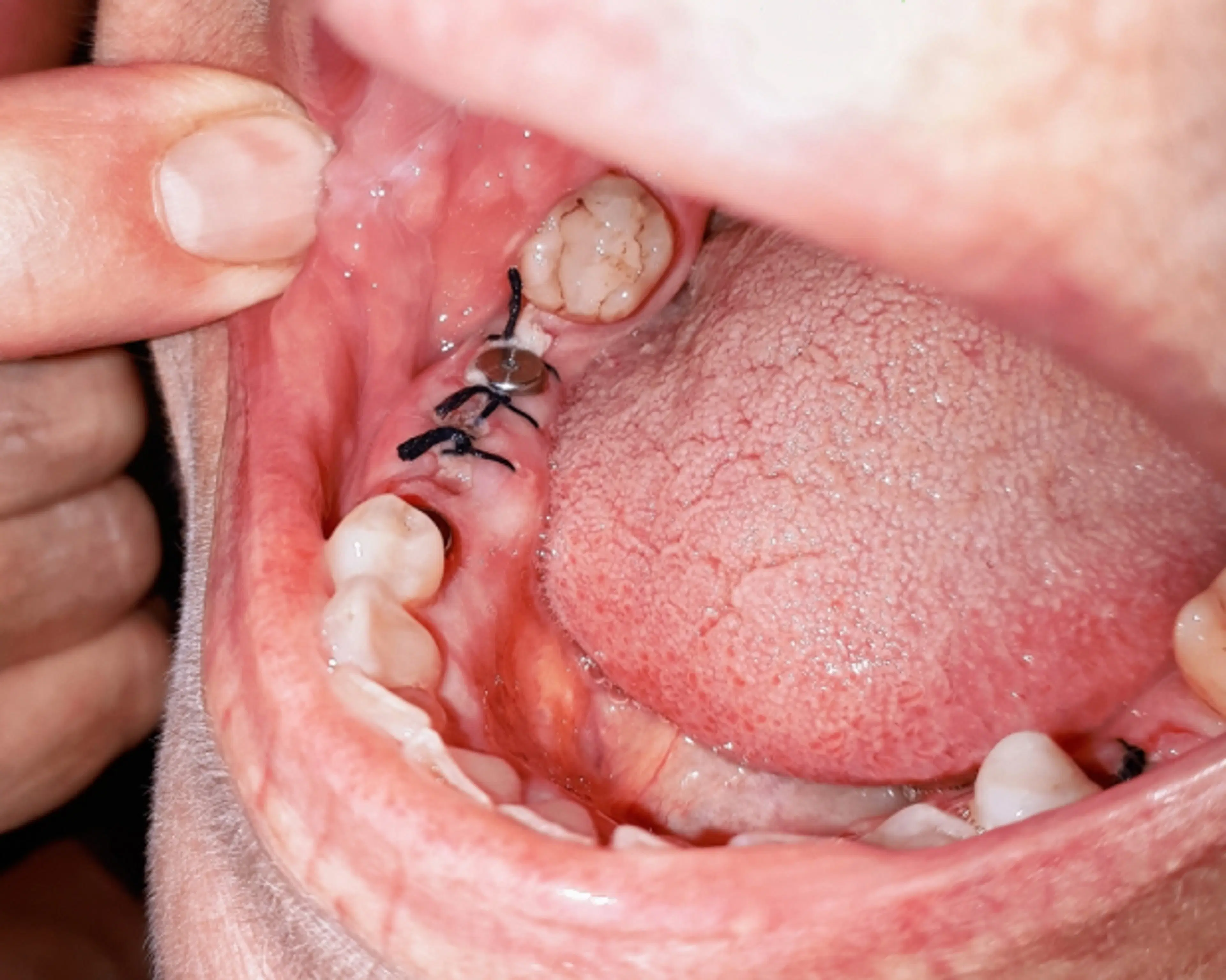
Speeding Up Recovery After Dental Implant Surgery
Home / Articles
Speeding Up Recovery After Dental Implant Surgery
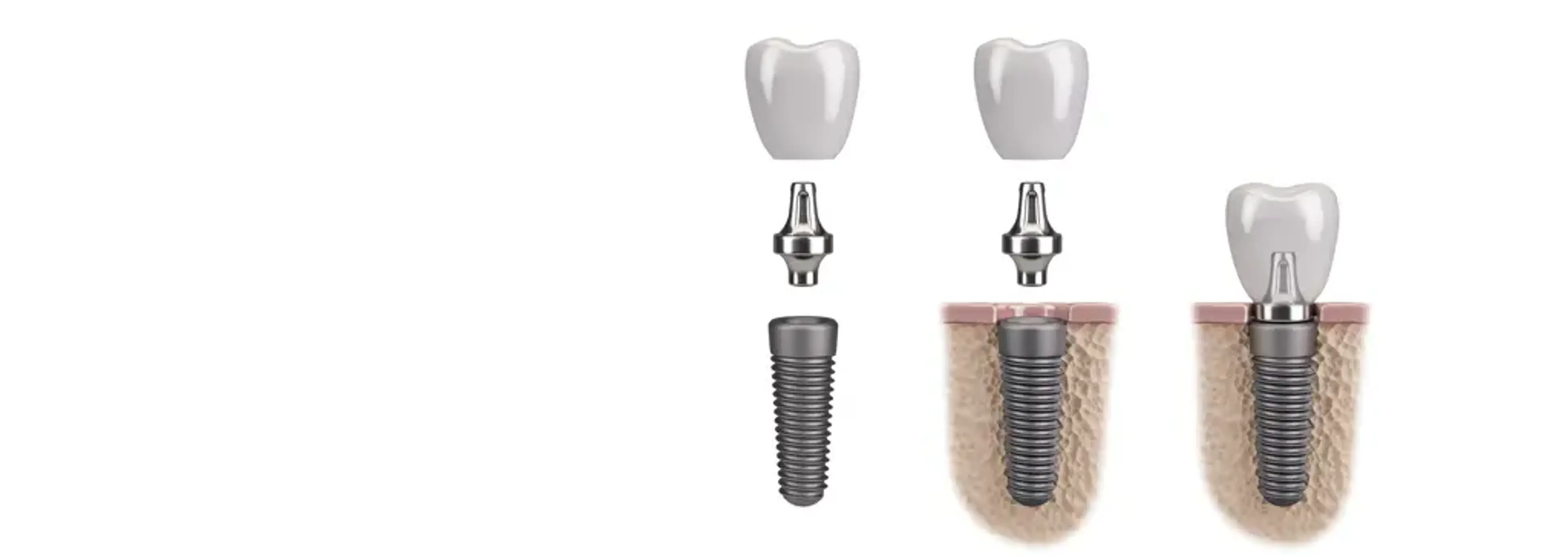
Dental implants have transformed the way we restore missing teeth — they offer stability, aesthetics, and functionality that feel remarkably close to natural teeth. But while the procedure is highly successful, the journey doesn’t end once the implant is placed. The healing period is crucial, and how you care for yourself during this time can make all the difference.
In this guide, we’ll explore what really helps speed up recovery after dental implant surgery, what to avoid, and how advanced techniques can minimize downtime.
To be honest, this is where patience is key. Even if the surgical discomfort fades within a few days, the deeper healing is still ongoing. Trying to rush this stage is like taking scaffolding down before the concrete has set.
Healing involves several phases:
Speeding recovery isn’t about skipping steps — it’s about supporting your body so these phases happen as smoothly as possible.
The first two days are the most critical in determining how quickly your recovery progresses.
Apply an ice pack for 15 minutes on, 15 minutes off.
Keep your head elevated, even while sleeping.
Avoid touching the area with your fingers or tongue.
Stick to soft foods and avoid chewing on the implant side.
Bite gently on the gauze as instructed.
Avoid spitting, rinsing forcefully, or drinking through a straw for 24 hours.
Food is more than fuel — it’s a tool for recovery. After implant surgery, nutrient-rich, easy-to-eat meals can reduce inflammation and strengthen your immune system.
We often advise patients to prepare soft, nutritious meals ahead of surgery day so they don’t reach for processed foods out of convenience.
In the first 24 hours, avoid brushing near the surgical site. After that, gentle cleaning is essential to prevent infection.
Use a soft-bristled toothbrush.
Rinse with a prescribed antimicrobial mouthwash or saltwater solution.
Avoid harsh swishing.
At Ye-on Dental Clinic, we sometimes provide a specialized post-surgery oral care kit so patients can maintain cleanliness without disturbing the healing tissues.
Certain habits can dramatically slow healing:
Recovery should feel like steady progress. If you notice:
Persistent or increasing pain after a few days
Excessive swelling or redness
Uncontrolled bleeding
Fever or unusual discharge
…it’s important to contact your dentist immediately. At Ye-on Dental Clinic, we schedule follow-up visits to monitor healing and step in early if there are signs of complications.
Even after the initial healing, the months following implant placement are about protecting your investment.
Maintain excellent oral hygiene.
Keep regular dental check-ups.
Avoid habits like teeth grinding (night guards may be recommended).
Follow your dentist’s dietary and activity guidelines.
We like to remind our patients: a dental implant isn’t just a piece of metal in the bone — it’s a living partnership between your body and the restoration. Treat it well, and it will serve you for decades.
From our experience, three factors help our patients recover more quickly than average:
If you’ve been considering dental implants, choose a clinic that combines advanced technology with personalized aftercare. That’s what makes the difference between a slow, difficult recovery and a smooth, confident return to daily life.
Speeding up recovery after dental implant surgery isn’t about cutting corners — it’s about giving your body every advantage to heal efficiently. With the right surgical approach, attentive aftercare, and healthy habits, you can get back to enjoying your smile faster.