Home / Articles
The Benefits of No-Prep Laminates for a Natural Smile
Home / Articles
The Benefits of No-Prep Laminates for a Natural Smile
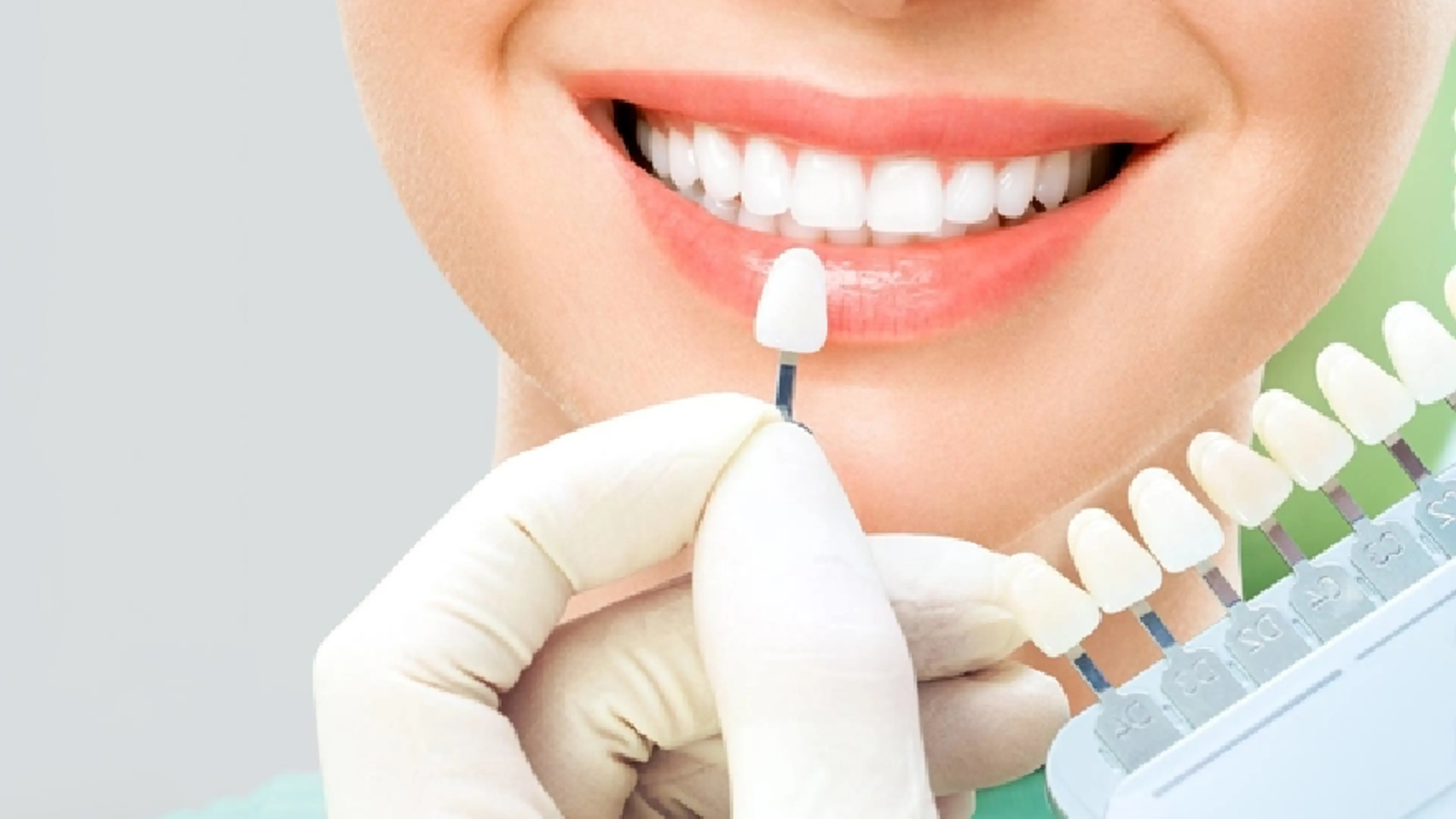
When we speak of “no-prep” laminates (also called no-prep veneers), we are referring to ultra-thin porcelain or composite shells that are bonded to the front surfaces of teeth with minimal to no removal of the natural enamel. Unlike traditional veneers, which often require shaving down part of the tooth to make space for the restoration, the no-prep option preserves nearly all of the original tooth structure.
Because little or no enamel is removed, the tooth’s natural strength, nerve protection, and bonding substrate (the enamel) remain largely intact. This is a critical point in long-term oral health. Enamel does not regenerate, so preserving it has lasting value.
In our clinical experience, patients who retain most of their enamel tend to experience fewer post-treatment sensitivities. We often hear patients say, "I was worried about pain, but it felt like nothing changed except my smile got better." Additionally, the preservation of enamel makes future treatments easier if changes or repairs are needed down the line.
Since there’s minimal removal of tooth tissue, the treatment can often be completed in fewer visits, with less need for temporary restorations and less drill time. Many patients tell us they were surprised at how comfortable it felt. The lack of drilling also reduces anxiety for many individuals, especially those with dental phobia or previous negative experiences.
In our practice, we use digital scans and precision labs to coordinate the veneer design in advance — which means less chair time for you. In many cases, we can complete the consultation, design, and final bonding in just two or three appointments. Compared to traditional veneers, which may take up to five visits and involve temporary veneers, this is a significant time-saver.
One of the often-overlooked benefits: because the original tooth is preserved so well, the treatment is theoretically more reversible than traditional veneers. Some practitioners describe it as “semi-reversible.” This is especially relevant for younger patients or those hesitant about permanent changes.
Of course, bonds and adhesive cements are used so removal isn’t trivial — but the fundamental tooth structure remains largely untouched. This gives you more flexibility should you want to update your smile again in the future.
your teeth are reasonably aligned and healthy
you wish to keep treatment conservative
you value comfort and aesthetics equally
For patients who simply want to elevate their smile without undergoing extensive orthodontics or tooth reshaping, this option fits seamlessly into their goals.
Teeth with extensive damage, large fillings, or severe misalignment/discoloration.
Cases where significant tooth shape changes or major smile redesign is required.
Situations where the front surface of the tooth is very dark because ultra-thin laminates may not mask deep discoloration adequately.
At our clinic we always do a full assessment (including bite, gum health, enamel thickness) before recommending this path. Sometimes, a hybrid approach — combining minimal preparation with ultra-thin veneers — may offer better results.
Because the veneers are so thin and the tooth is minimally prepared, the margin, fit, bonding and finish become critically important. If any of these are off, there is risk of overcontours, premature wear, marginal staining or chipping.
We begin with:
A full oral exam (enamel health, gum condition, bite analysis)
Digital scans / intra-oral photography to model your smile and simulate outcomes
A discussion of your aesthetic goals balanced with your long-term oral health
We may also use mock-up trials — temporary designs that preview the shape and position of your future veneers. This step helps you visualize the result and gives us a chance to fine-tune the design.
Based on your face shape, lip line, tooth display and personality, we design veneers that match. Every case is custom. At the same time, we work with our trusted dental lab to fabricate ultra-thin porcelain (or high-grade composite) laminates tailored to your anatomy.
This phase includes careful shade selection, often using multiple layers of ceramic to mimic the light behavior of natural teeth. We also adjust translucency to suit your age and cosmetic goals, since younger teeth tend to be more translucent than older ones.
In many cases we’ll do little or no reduction of enamel—just sufficient surface preparation to ensure reliable bonding. Then the veneers are tried in, adjusted for shape and shade, and permanently bonded.
Because we preserve so much natural tooth, we can often skip or minimize provisional restorations. The bonding process itself is meticulous and involves surface conditioning of both the tooth and veneer to ensure a strong, durable bond. We use high-quality resin cements and isolation techniques to prevent moisture contamination.
Once in place, we guide you in how to maintain your veneers:
Soft-bristle brush, non-abrasive toothpaste
Floss daily, regular check-ups
Avoid using your front teeth for hard objects or extreme biting
Monitor for any signs of marginal staining or wear
We also schedule periodic reviews so we can detect early any edge breakdown, bonding wear or adhesive failure. We aim to support your veneers for many years with maintenance protocols tailored to your lifestyle and habits.
Harmony: Because the veneers are ultra-thin, they maintain the translucency, light play and subtle gloss of natural enamel. The result is not a “Hollywood fake” smile but a refined, believable one.
Integrity: By preserving your natural enamel and tooth structure, you're prioritizing health as much as beauty.
For patients anxious about the invasiveness of cosmetic dental work, or who simply want a gentle enhancement rather than a dramatic transformation, this approach offers a strong pathway.
Ready to take the next step? Let’s talk about how we can design a natural, comfortable smile with your needs in mind.